
Pie Crust Tough
Your pie crust baked up hard and chewy instead of tender and flaky. This happens when the dough was overworked, developing too much gluten. These fixes soften what you have and prevent it next time.
Part of baking cooking fixes and chewy food fixes .
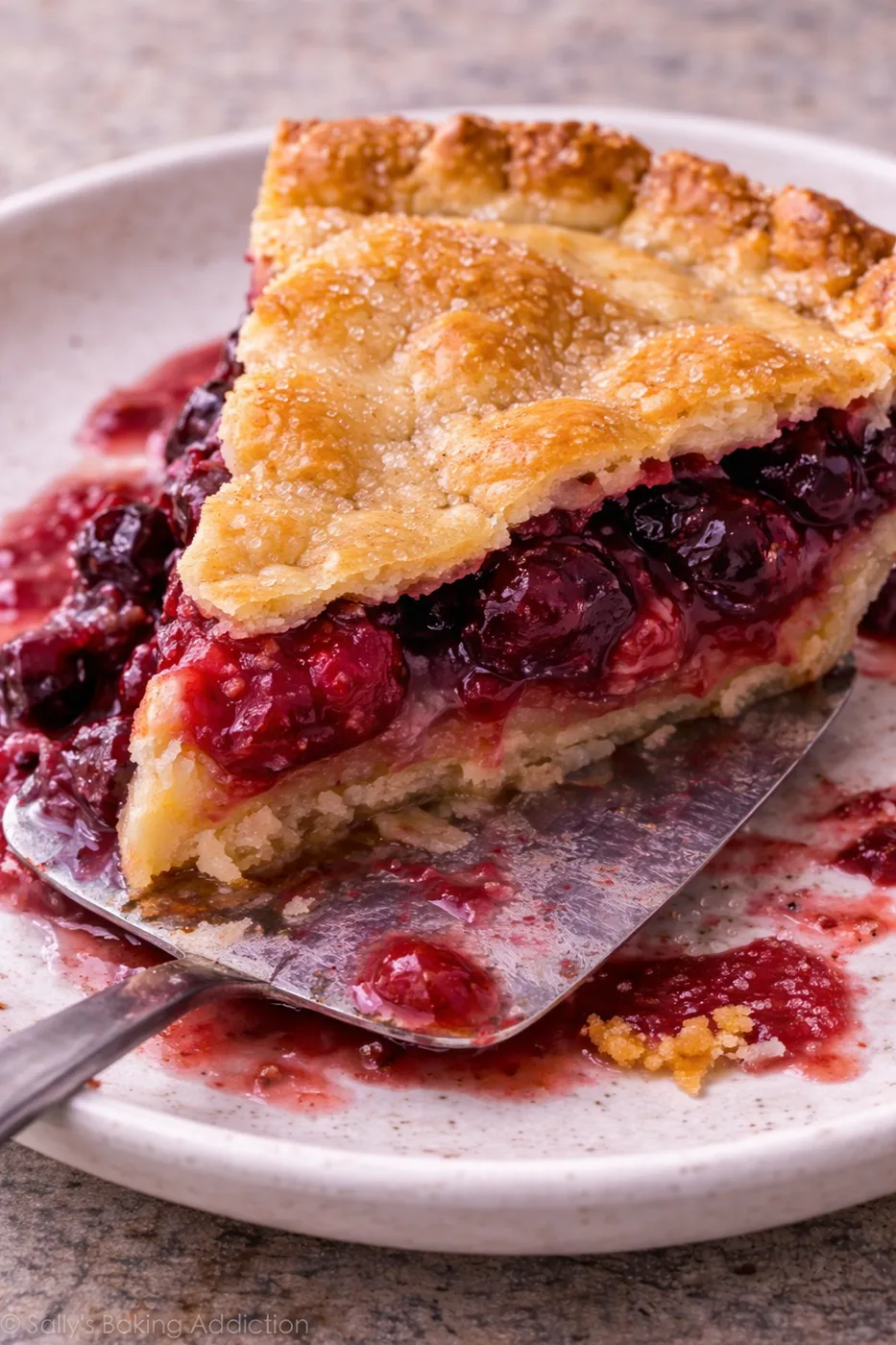
Ingredients on hand
- baked pie
- melted butter
- warm towel
Why it happened
Overworking pie dough aligns the gluten proteins in flour into strong, elastic sheets. This is great for bread but terrible for pie crust, which needs short, interrupted gluten strands with pockets of fat between them for flakiness. Too much water also contributes because water activates gluten formation. Warm dough is another culprit because soft butter blends into the flour instead of staying in separate pieces.
The fix
- 1 brush the top crust generously with melted butter and let it sit 5 minutes to soften
- 2 cover the pie with a barely damp warm towel for 3 minutes to introduce steam
- 3 serve at room temperature rather than cold, which softens the crumb further
If it's still wrong
- Crumble the tough crust and use it as a streusel topping over ice cream or fruit.
- Slice the pie thinly so each bite has less crust relative to filling.
Prevent next time
- Keep butter ice-cold and cut into pea-sized pieces, stopping before it fully incorporates.
- Add ice water 1 tablespoon at a time and stop mixing the moment the dough just holds together.
Notes
Why this works
Melted butter penetrates the surface of baked crust and lubricates the gluten network, making it feel more tender on your palate even though the gluten is still there. The brief steam treatment from the damp towel introduces a small amount of moisture that softens the outermost layer without making it soggy. Serving at room temperature helps because cold firms up both the fat and the gluten in the crust, making toughness more noticeable. At room temperature, the small amount of fat in the crust softens, and the crumb relaxes, yielding a more pleasant bite.
Substitutions
- melted butter → cream
- warm towel → clean kitchen towel
More chewy fixes
Other baking fixes