
Over-Salted Pasta
Your pasta tastes too salty, likely from over-seasoned cooking water or a salty sauce that reduced too far. These fixes dilute and balance the salt without making the dish bland.
Part of grains cooking fixes and too salty food fixes .
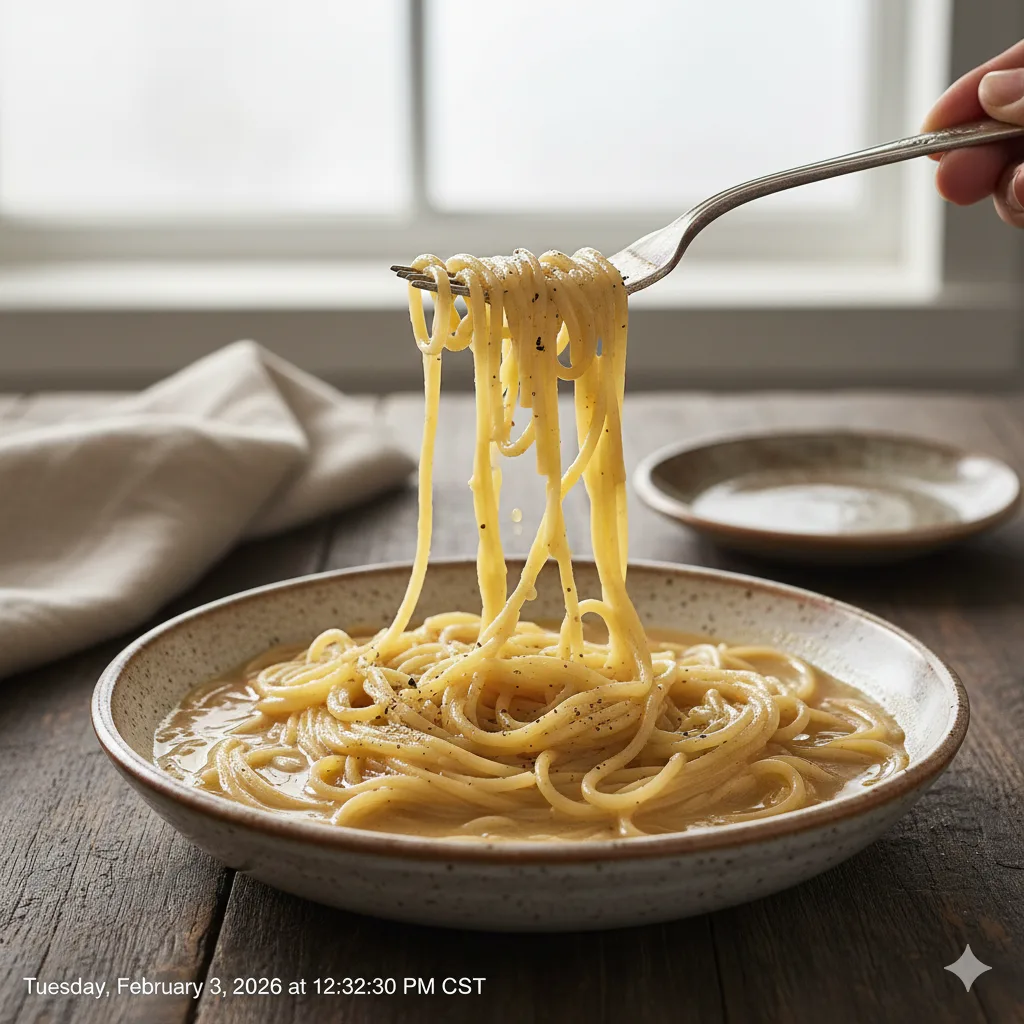
Ingredients on hand
- cooked pasta
- unsalted butter
- lemon juice
- fresh pasta water
- fresh herbs
Why it happened
Salt concentrated on the pasta surface from heavily salted water or from a sauce that reduced too far. Because pasta absorbs cooking liquid, the salt is mostly on the exterior and in the sauce, not deep inside the noodle.
The fix
- 1 toss with 2 tablespoons unsalted butter to coat and dilute surface salt
- 2 add 1/4 cup reserved unsalted pasta water and toss to redistribute
- 3 squeeze in 1 teaspoon lemon juice to shift perception away from salt
If it's still wrong
- Cook a small batch of unsalted pasta, then toss together with the salty batch to average out the seasoning.
- Add a splash of heavy cream and a handful of fresh herbs to mask the salt with richness and brightness.
Prevent next time
- Salt pasta water to taste like mild soup, about 1 tablespoon per 4 quarts.
- Season sauces after combining with pasta, not before, since pasta water adds salt too.
Notes
Why this works
Fat coats your tongue and slows the rate at which salt receptors fire, making the dish taste less salty without actually removing sodium. Unsalted butter serves double duty here: it dilutes the salt concentration in the sauce while also creating a lipid barrier on your palate. Acid from lemon juice activates sour receptors, which compete with salt perception in the brain, effectively rebalancing the flavor profile. Adding starchy pasta water also helps because the dissolved starch thickens the sauce slightly and spreads the remaining salt across a larger volume of liquid.
Substitutions
- unsalted butter → olive oil
- lemon juice → white wine vinegar
More too salty fixes
Other grains fixes